



Scanivalve is the world leader in pressure measurement instrumentation for wind engineering wind tunnels.
Wind engineering is an extremely divers field including wind tunnel testing for buildings, severe weather research, HVAC optimization and aerodynamic studies of bluff bodies and other non-aerodynamic objects. Whatever the wind engineering application, Scanivalve has a pressure measurement system that will uniquely fit the requirements. Scanivalve currently has instrumentation installed in over 20 wind engineering research facilities worldwide.
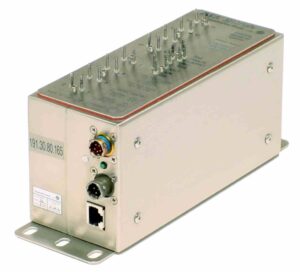
DSA3217 Pressure Scanner – Gas Measurement
DSA3217 (Digital Sensor Array) is a compact, self-contained pressure scanner providing engineering data directly through an Ethernet connection […]
DSA3217 (Digital Sensor Array) is a compact, self-contained pressure scanner providing engineering data directly through an Ethernet connection […]
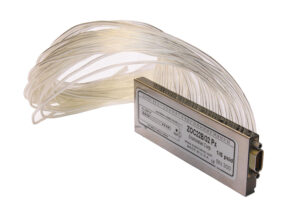
ZOC22b miniature pressure scanner
The ZOC22’s unique low-profile design is designed to fit in aerodynamic shapes commonly tested in wind tunnels […]
The ZOC22’s unique low-profile design is designed to fit in aerodynamic shapes commonly tested in wind tunnels […]
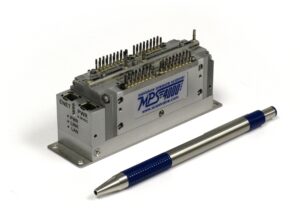 MPS4264
MPS4264 is an Ethernet based, miniature pressure scanner designed specifically for wind tunnel test or any other tests where space is limited […]
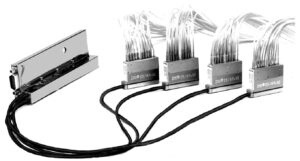 ZOC23b miniature pressure scanner
The Model ZOC23b is similar to Scanivalve’s model ZOC22b electronic pressure scanner […]
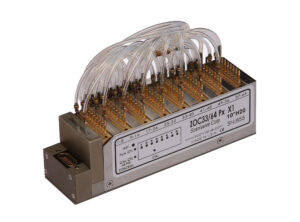 ZOC33 miniature pressure scanner
The ZOC33 is a compact, reliable 64 channel pressure scanner designed for all wind tunnel tests from aerodynamic models to wind engineering studies […]
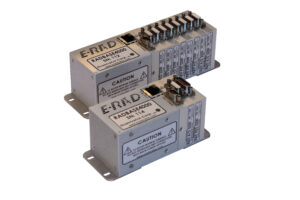 ERAD4000 Remote A/D
The ERAD4000 is a scalable, miniature data acquisition system designed to fit inside of the aerodynamic model being used in the wind tunnel test […]
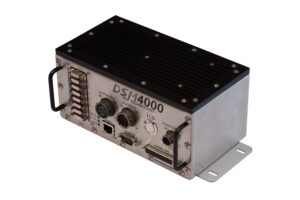 DSM4000 Digital Service Module
The DSM4000 is a complete data acquisition system, including ARINC429 output, designed to support Scanivalve’s ZOC pressure scanners primarily in flight test applications […]
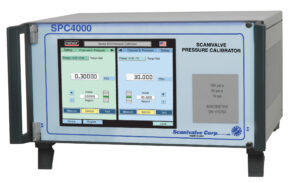 SPC4000 Pressure Calibrator
The SPC4000 automated pressure calibrator is designed for automated calibrations of all Scanivalve products but can be used to calibrate any pressure instrumentation […]
Downloads
- Application Note #8 – Wind Engineering and Bluff Body Pressure Measuring Solutions
 (513.1 KB)
Application Note #8 describes various Scanivalve product solutions for measuring pressures in wind engineering models, bluff body studies and wind tunnel wall pressures.
(513.1 KB)
Application Note #8 describes various Scanivalve product solutions for measuring pressures in wind engineering models, bluff body studies and wind tunnel wall pressures.